
Large-Scale Facilities Require Engineered Architectural Solutions
Stadium cast stone in Dubuque and across the nation for arenas, sports complexes, and entertainment venues requiring custom architectural components at institutional scale
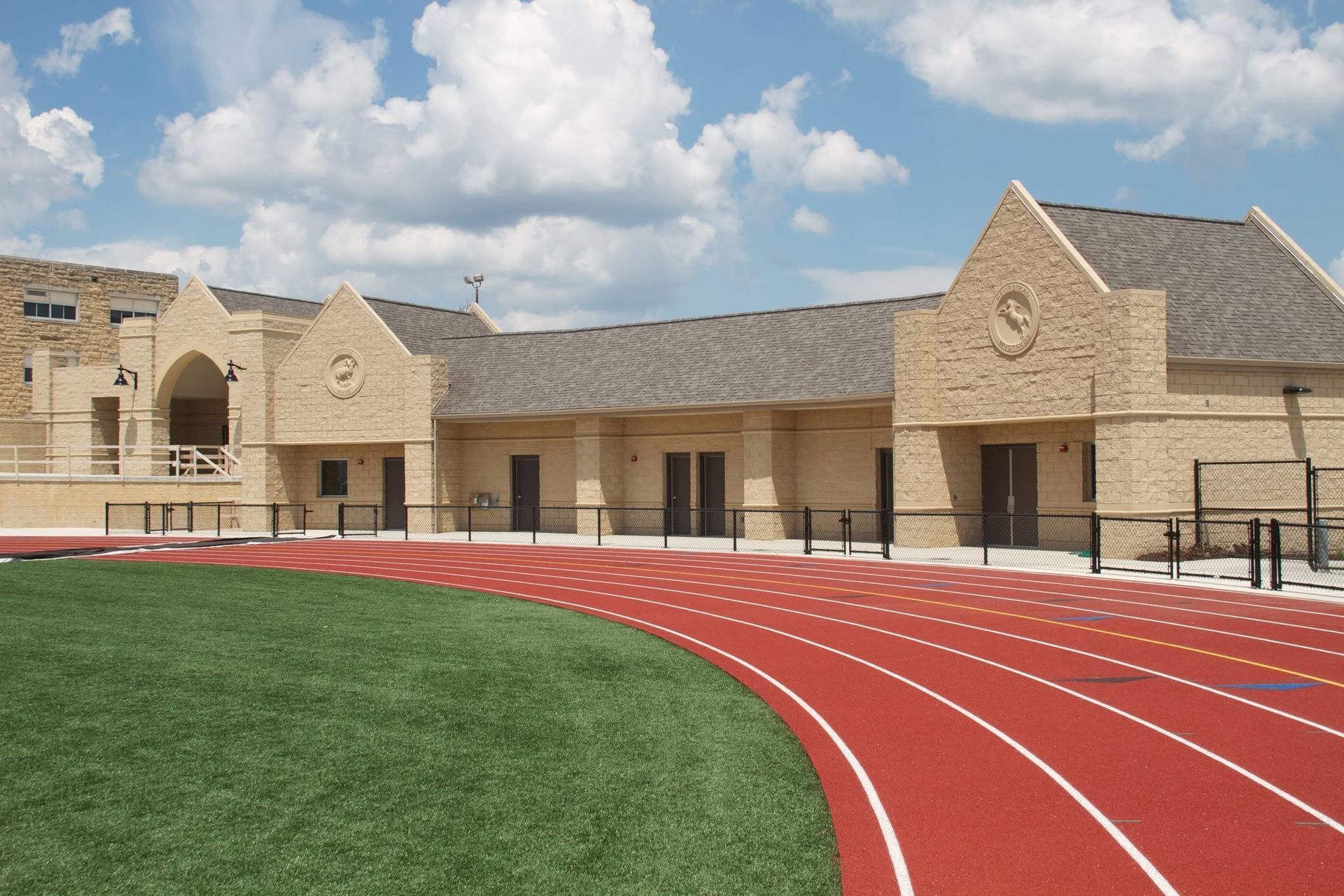
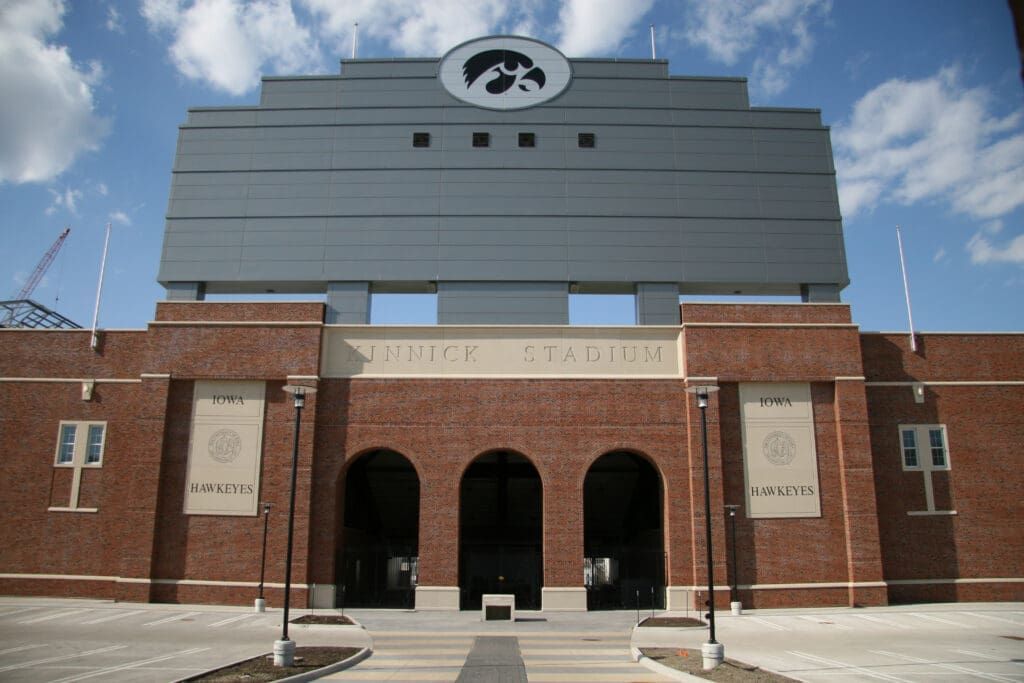
Stadiums and entertainment venues present fabrication challenges that exceed typical commercial work—architectural elements must span large openings, withstand exposure on tall elevations with no shelter from wind-driven rain, and maintain appearance despite minimal maintenance over decades of heavy public use. Edwards Cast Stone Company manufactures components engineered for these conditions, working with architects, structural engineers, and construction teams from planning through installation to ensure custom architectural elements perform structurally while achieving the design's aesthetic intent. Projects involve fabricating column covers, decorative panels, entrance features, and facade elements scaled to buildings that dominate their surroundings and define community identity.
The fabrication process for large venues requires engineering analysis beyond typical architectural stonework, verifying that components meet load requirements, attach securely to structural systems, and accommodate building movement without cracking. Complex custom components are broken into manageable casting units with concealed joints, allowing fabrication of elements too large to cast as single pieces while maintaining visual continuity across assembled sections. This approach delivers the monumental scale these buildings require without compromising the fine detail and surface quality that define successful architectural stonework.
Request a project consultation to discuss fabrication capabilities for your sports or entertainment facility development.
What Complex Custom Components Involve
Stadium projects require coordination across multiple disciplines throughout design and construction—structural engineers specify attachment methods and load paths, architects define profiles and proportions, general contractors establish sequencing and crane access, and Edwards Cast Stone Company translates these requirements into fabrication procedures that produce dimensionally accurate components delivered on schedule as the building rises. Shop drawings become critical coordination documents, showing not just component geometry but also embed locations, joint patterns, shipping piece divisions, and installation sequences that allow massive architectural elements to be erected safely and efficiently.
After completion, visitors experience architecture that establishes the venue's character and civic presence—entrance porticos that signal arrival and provide shelter, facade articulation that breaks down building mass into comprehensible scale, and decorative elements that distinguish the facility from generic industrial structures. Cast stone surfaces weather uniformly without the streaking and staining common in porous masonry, maintaining the building's appearance between infrequent maintenance cycles typical of large public facilities.
The material's performance characteristics suit exposed conditions on tall buildings—low water absorption prevents freeze-thaw damage at elevations where temperature cycling is most severe, surface hardness resists abrasion from airborne grit in industrial areas, and formulation stability ensures color consistency across the large quantities required for stadium-scale projects. Fabrication capabilities extend from initial design support through final delivery, with production capacity to manufacture the component volumes these projects demand while maintaining quality control across thousands of individual pieces.

What Architects and Builders Ask About Stadium Projects
Design teams working on large venues need to understand fabrication capabilities and project coordination requirements before specifying cast stone for institutional-scale architecture.
How are large architectural elements fabricated and installed?
Complex components are divided into shipping pieces that can be cast, transported, and erected using available equipment, with joints located to maintain visual continuity while allowing practical handling, and connection details engineered to transfer loads safely to structural support systems.
What engineering is involved in stadium-scale cast stone?
Structural analysis verifies that components meet wind and seismic loads at their installed locations, attachment designs are reviewed by engineers to ensure adequate load paths, and shipping piece divisions are analyzed to confirm each section can be handled without damage during transportation and erection.
How does fabrication coordination work with construction schedules?
Production sequences are established during preconstruction, with casting operations phased to deliver components as building structure and facade systems progress, and delivery logistics planned to avoid site congestion while ensuring materials arrive when installation crews and equipment are ready.
What makes cast stone suitable for entertainment venue architecture?
The material provides the monumental scale and fine detail these buildings require, while offering durability and low maintenance appropriate for public facilities designed to serve communities for decades, and manufacturing consistency that ensures architectural quality across the large component quantities stadium projects demand.
How far in advance should fabrication planning begin for large projects?
Coordination typically starts during design development to ensure architectural details are constructible and cost-effective, with shop drawing preparation beginning as soon as construction documents are substantially complete to maintain schedules that deliver components when building construction requires them in Dubuque or surrounding service areas.
Edwards Cast Stone Company has the fabrication capacity and engineering experience to support stadium and arena projects requiring custom architectural components at institutional scale. Call (563) 556-0535 to begin planning your large venue development.