
Campuses Built for Institutional Longevity
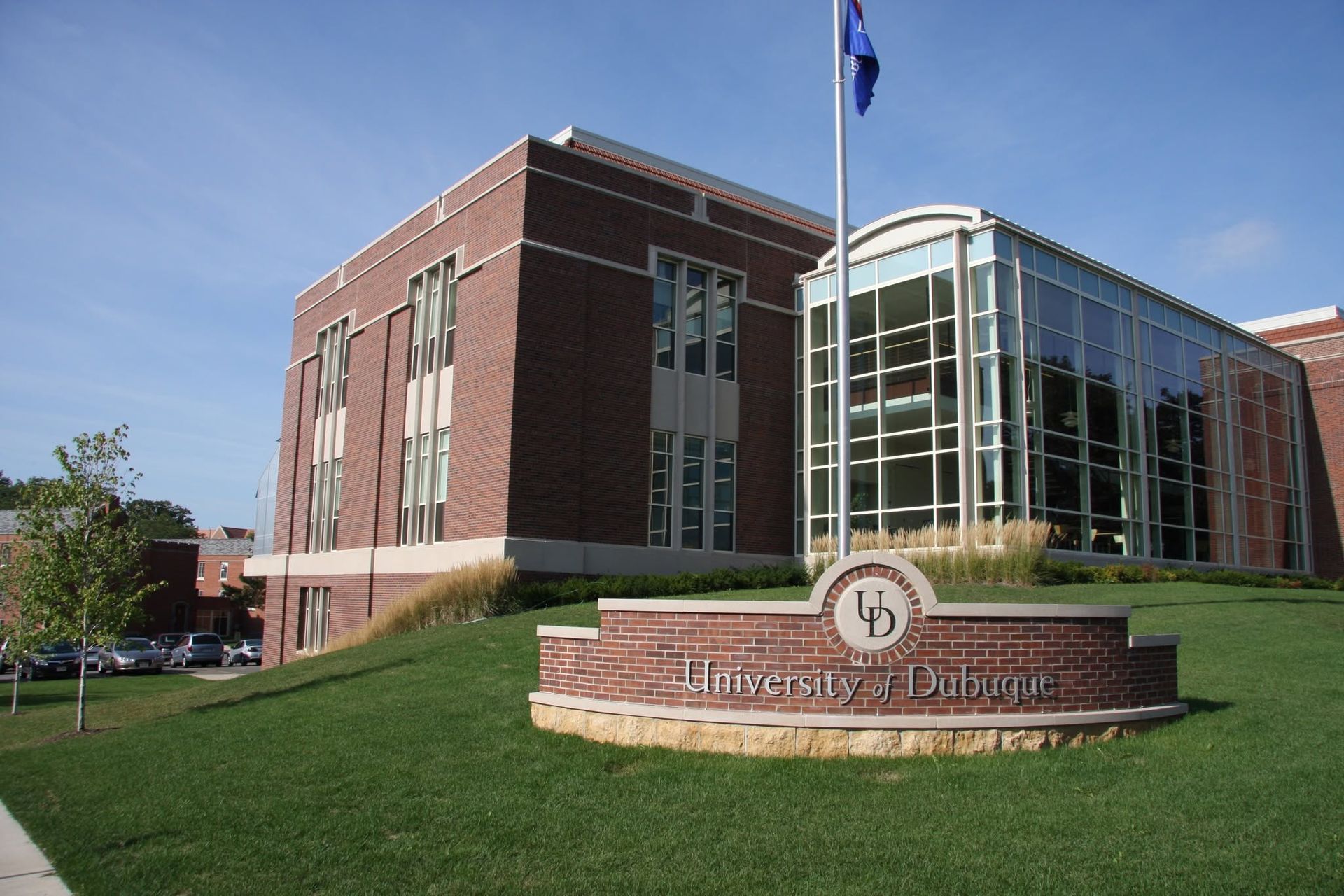
Educational cast stone in Dubuque and across the nation for K-12 schools, colleges, universities, and campus facilities requiring durable architectural components
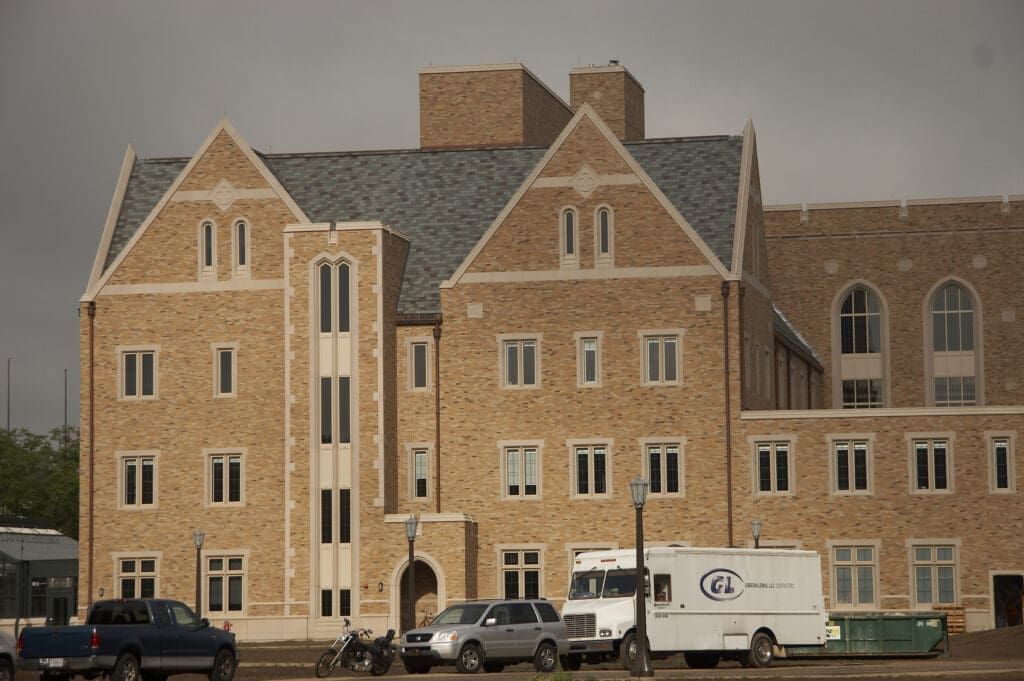
Educational architecture, whether it is in Dubuque or anywhere in the nation, often blends traditional collegiate design with modern building systems, requiring architectural materials that bridge historical campus character and contemporary performance standards. Edwards Cast Stone Company fabricates custom components that meet both requirements—window surrounds, entrance porticos, column capitals, and decorative banding designed to complement existing campus buildings while providing the durability necessary for high-traffic institutional environments. These components are engineered to withstand daily use by thousands of students, resist weather exposure across decades of service, and maintain appearance without the frequent maintenance that diverts limited facility budgets from educational priorities.
Custom fabrication allows architects to design buildings that contribute to cohesive campus identity rather than introducing incompatible materials or proportions that fragment architectural continuity. The process involves reviewing campus design standards, matching existing stonework profiles when renovating historic buildings, or creating new details that respect established architectural vocabulary while meeting current code requirements and accessibility standards.
Discuss campus project requirements to explore how custom cast stone supports both new construction and renovation timelines.
What Institutional Durability Actually Requires
Educational facilities face conditions that accelerate building material deterioration—concentrated foot traffic around entries, exposure to deferred maintenance during budget constraints, and expectations that buildings will serve students for fifty years or more without major envelope repairs. Edwards Cast Stone Company formulates components to address these demands through dense, low-porosity material that resists impact damage, prevents moisture infiltration, and maintains structural integrity through countless freeze-thaw cycles without the spalling, cracking, or surface erosion that affects softer masonry and precast concrete.
Campus administrators notice the difference in how buildings age—cast stone entries maintain sharp profiles and consistent color while adjacent brick shows mortar deterioration, window surrounds shed water correctly without the staining patterns that develop below porous sills, and architectural details retain definition rather than softening into indistinct forms as surface material erodes. The material also accepts cleaning without damage, allowing removal of graffiti or accumulated grime through pressure washing that would degrade softer stone or damage surface treatments on synthetic materials.
Projects range from complete building envelopes for new construction to targeted component replacement during renovations, with fabrication scaled to match project phasing and budget constraints. The consistency of cast stone ensures that additions completed years after original construction match exactly in color, texture, and profile, maintaining architectural unity as campuses expand over time.

Questions From Facility Planners and Architects
Educational institutions evaluating materials for campus projects typically want to understand long-term performance and design flexibility.
What makes cast stone appropriate for high-traffic educational environments?
The material's compressive strength, impact resistance, and surface hardness prevent the chipping, cracking, and wear patterns common around building entries and corridors where thousands of students pass daily, while its density prevents moisture intrusion that accelerates deterioration in porous materials.
How does custom fabrication support campus design standards?
Components are manufactured to match existing architectural profiles, proportions, and details documented in campus master plans, ensuring new buildings and renovations contribute to unified visual character rather than introducing incompatible elements that disrupt established architectural vocabulary.
What's involved in matching stonework during renovation of historic campus buildings?
The process includes field documentation of original elements, creation of custom molds that replicate existing profiles and textures, and formulation adjustments to match color and finish of aged stonework, allowing seamless integration of new components with historic fabric.
How do project timelines work for educational construction schedules?
Fabrication sequences are coordinated with construction phasing to deliver components as building envelopes progress, with production scheduled around academic calendars when renovation work must occur during summer breaks or other periods of reduced campus activity in Dubuque and across the nation.
What maintenance does cast stone require on campus buildings?
The material needs only periodic washing to remove accumulated dirt and biological growth, with no requirement for sealing, painting, or surface treatments, reducing lifecycle costs compared to materials requiring ongoing maintenance to preserve appearance and weatherproofing.
Edwards Cast Stone Company works with educational institutions to deliver architectural components that balance design intent, budget realities, and long-term performance requirements. Schedule a consultation to review your upcoming campus project and discuss custom fabrication capabilities.