
Architecture That Commands Attention and Endures
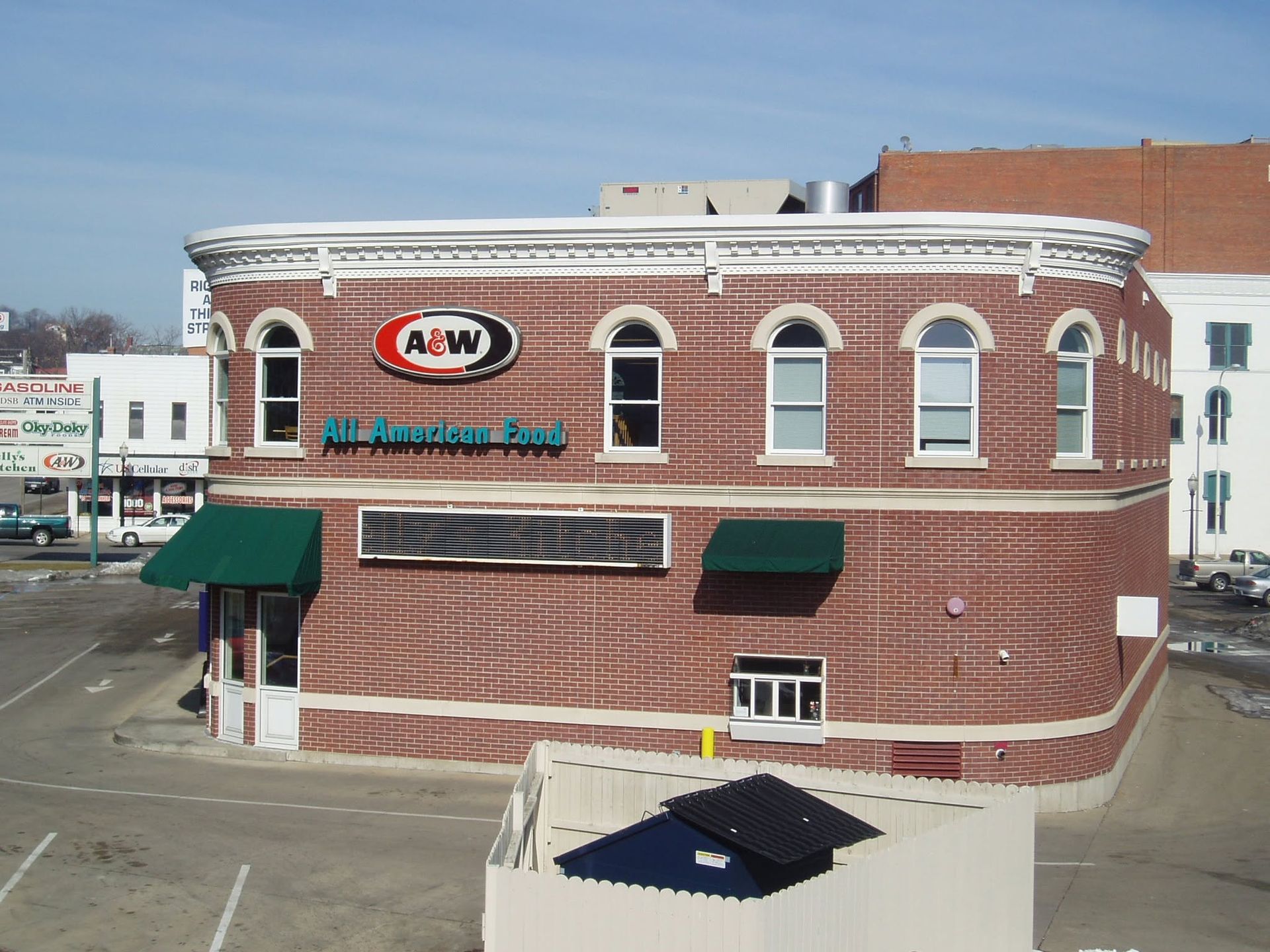
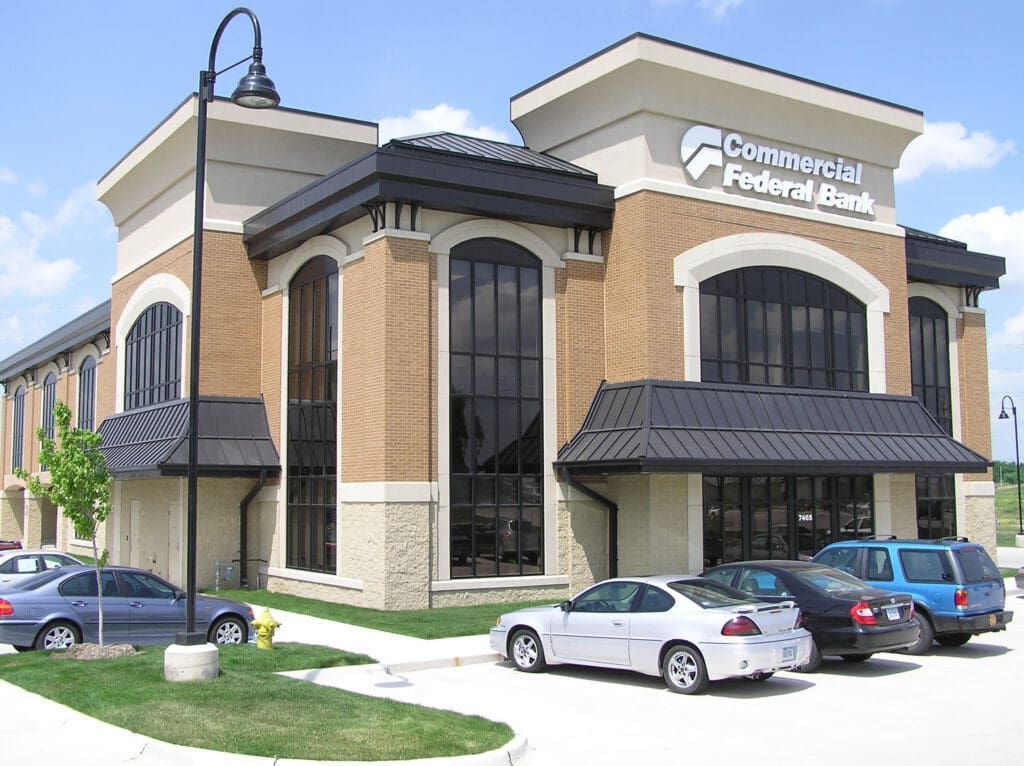
Commercial cast stone in Dubuque and across the nation for office buildings, healthcare facilities, retail centers, and other mixed-use developments requiring custom architectural detail
Edwards Cast Stone Company fabricates custom cast stone components for commercial projects based in Dubuque and serving the entire nation, matching architectural specifications with wet or dry cast stone methods selected based on the project's structural and aesthetic requirements. Whether you're developing a new medical plaza, renovating a historic downtown office building, or adding architectural presence to a retail center, the fabrication process starts with your architect's drawings and ends with components that install precisely as designed. Wet cast stone provides larger pieces as well as the possibility of finer detail and for ornamental features, while dry cast stone provides faster turnaround time for smaller, more repetitive pieces.
The fabrication process involves creating custom molds from your project's specifications, mixing portland cement with carefully graded aggregates, and casting each component to exact dimensions before curing under controlled conditions. This method produces architectural elements with consistent color, texture, and dimensional accuracy across hundreds of pieces, ensuring that window surrounds on the fourth floor match those on the first, and that every cornice section aligns without field modification.
Schedule a fabrication review to discuss project timelines and custom casting requirements for your commercial development.
What Custom Fabrication Delivers for Commercial Projects
Each commercial project involves collaboration between Edwards Cast Stone Company, your architect, and general contractor to determine which cast stone method meets structural engineering requirements while achieving the design intent. Wet cast stone, poured into molds, captures intricate details like fluting, rosettes, and dentil molding with finishes ideal for building entries and façade ornamentation. Dry cast stone is tamped into sturdy molds under high pressure, producing dense components with superior strength and durability.
After installation, building occupants and visitors notice architectural consistency across the entire structure—every window surround matches in profile and color, every column capital aligns with adjacent units, and decorative banding maintains uniform reveal lines around the building perimeter. Cast stone surfaces maintain their appearance without the spalding, staining, or irregular weathering common in natural limestone, and the material's density prevents moisture infiltration that degrades softer masonry over freeze-thaw cycles.
The fabrication timeline typically extends from shop drawing approval through mold creation, casting, curing, and delivery, with production sequenced to match your construction schedule. Large projects may require multiple casting runs to supply components as the building rises, while smaller renovations often involve matching existing profiles from historic buildings using custom molds created from field measurements.

Questions About Commercial Cast Stone Projects
Commercial developers and architects working in Dubuque often ask about fabrication capabilities and project coordination before specifying cast stone for their designs.
What determines whether wet or dry cast stone is specified for a project?
Wet cast stone is selected when designs require fine ornamental detail, or complex curves, while dry cast stone is specified for structural components needing higher compressive strength or applications where water absorption must be minimized for freeze-thaw durability.
How does custom fabrication ensure components match architectural drawings?
Shop drawings are created from architectural plans and submitted for approval before molds are built, with dimensions verified against structural steel locations and masonry coursing to ensure field installation proceeds without modification or cutting.
What happens if additional pieces are needed after the project is underway?
Original molds are retained for the duration of the project and typically stored afterward, allowing additional components to be cast if design changes occur or if future building additions require matching architectural elements.
How long does fabrication take for a typical commercial project?
Production schedules depend on component complexity and quantity, but most projects require coordination that begins during design development, with casting operations scheduled to deliver components in phases aligned with construction sequencing.
What makes cast stone suitable for healthcare and government facilities?
The material's durability, consistent quality across large orders, and ability to replicate classical architectural styles meet institutional requirements for buildings designed to serve communities for decades without frequent maintenance or replacement.