
Preservation and Craftsmanship for Sacred Spaces
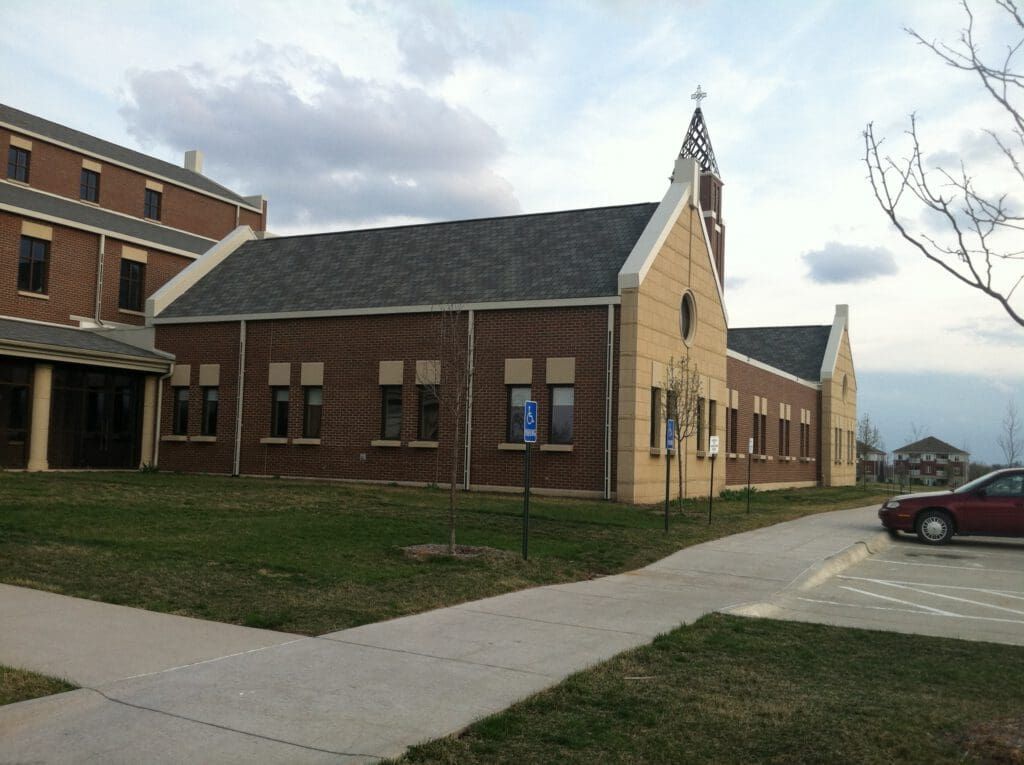
Religious cast stone in Dubuque and across the nation for churches, chapels, cathedrals, and places of worship requiring restoration or new architectural components
Many churches in Dubuque and surrounding communities around the nation face deteriorating limestone columns, eroded window tracery, or crumbling cornices that compromise both structural integrity and historic character. Edwards Cast Stone Company fabricates replacement components that match original architectural details with precision casting methods that replicate profiles, dimensions, and surface textures from the building's original construction period. This work involves collaboration with church leadership, architects, and preservation consultants to ensure new cast stone elements honor the building's history while providing durability that will serve congregations for generations.
Restoration projects begin with documentation of existing conditions, often including measurements and mold impressions taken from intact original elements that serve as templates for casting replacements. New construction projects for religious facilities follow the same fabrication process but start from architectural drawings that specify Gothic arches, Romanesque capitals, or contemporary forms designed to create sacred spaces with architectural meaning. The casting process uses fine aggregates and careful mold preparation to achieve the crisp edges, deep relief, and smooth surfaces that define quality ecclesiastical stonework.
Request project guidance to discuss restoration requirements or new construction plans for your worship facility.
How Precision Fabrication Preserves Historic Character
Religious architecture demands higher standards for ornamental detail than most commercial work—pointed arch tracery must align correctly, column capitals must display symmetrical acanthus scrolls or stylized foliage, and decorative banding must maintain consistent reveal depths across long runs. Edwards Cast Stone Company achieves this precision through mold-making techniques that capture reference elements in exacting detail, followed by casting procedures that reproduce those details across multiple components without dimensional drift or surface irregularities.
After installation, congregations and visitors see architectural elements that match the building's original construction in form and finish, with new components indistinguishable from historic stonework except for their superior condition. Replacement columns support weight-bearing loads without the cracking present in deteriorated originals, new window surrounds shed water correctly to prevent interior damage, and restored façades regain the visual coherence lost when previous repairs used mismatched materials or simplified profiles.
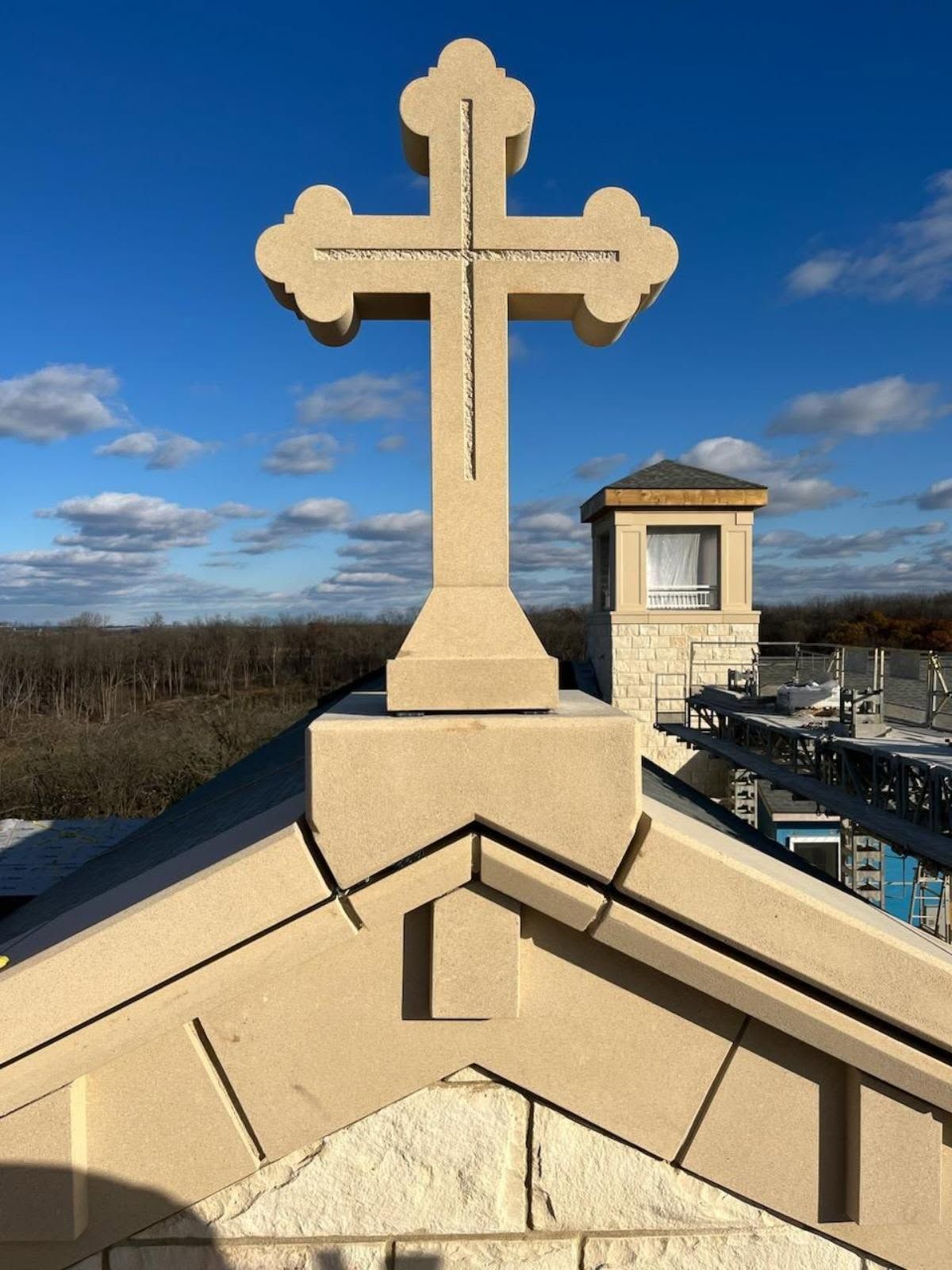
The work includes both weight-bearing and decorative components- columns and lintels engineered to meet current building codes, alongside purely ornamental elements like finials, rosettes, and carved panels that contribute to the building's sacred character. Cast stone's formulation ensures these elements will outlast the service life of modern building materials while requiring only periodic cleaning rather than ongoing maintenance.

Common Questions From Church Leadership
Religious institutions considering restoration or new construction often have questions about preserving architectural integrity while meeting practical requirements.
What's involved in matching historic stonework during restoration?
The process includes documenting existing elements through measurements and photographs, creating molds from intact sections when possible, and analyzing surface textures and profiles to ensure cast replacements match original construction methods and proportions.
How does cast stone compare to natural limestone for church architecture?
Cast stone provides greater density and lower water absorption than most natural limestone, preventing the freeze-thaw damage and surface erosion that necessitate restoration work, while offering the same visual character and ability to be carved or molded into complex forms.
What architectural details can be fabricated for religious buildings?
The material suits any element traditionally carved from stone, including pointed arch tracery, rose window surrounds, column capitals with ornamental carving, buttress caps, decorative cornices, and sculptural panels with religious imagery or inscriptions.
How long does restoration fabrication take for a typical project?
Timelines depend on the number of components and complexity of details, but most projects require several months from initial documentation through mold creation, casting, curing, and delivery, with scheduling coordinated around congregational activities and seasonal weather constraints in Dubuque.
What happens when original architectural drawings no longer exist?
Field measurements and photographic documentation of remaining original elements provide the dimensional and stylistic information needed to fabricate historically accurate replacements, with consultation from preservation architects when projects involve landmarks or historically significant structures.
Edwards Cast Stone Company has worked with religious institutions throughout the region to restore deteriorating stonework and create new architectural elements that honor sacred building traditions. Call (563) 556-0535 to discuss how precision fabrication can support your restoration or construction project.